Vero Scientific Blog
Latest News

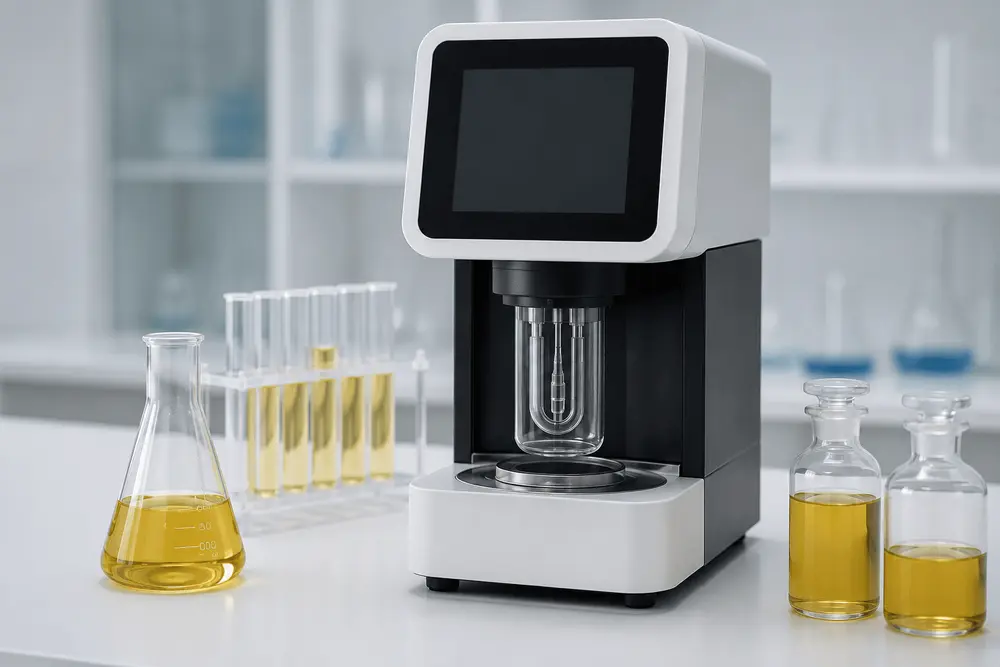
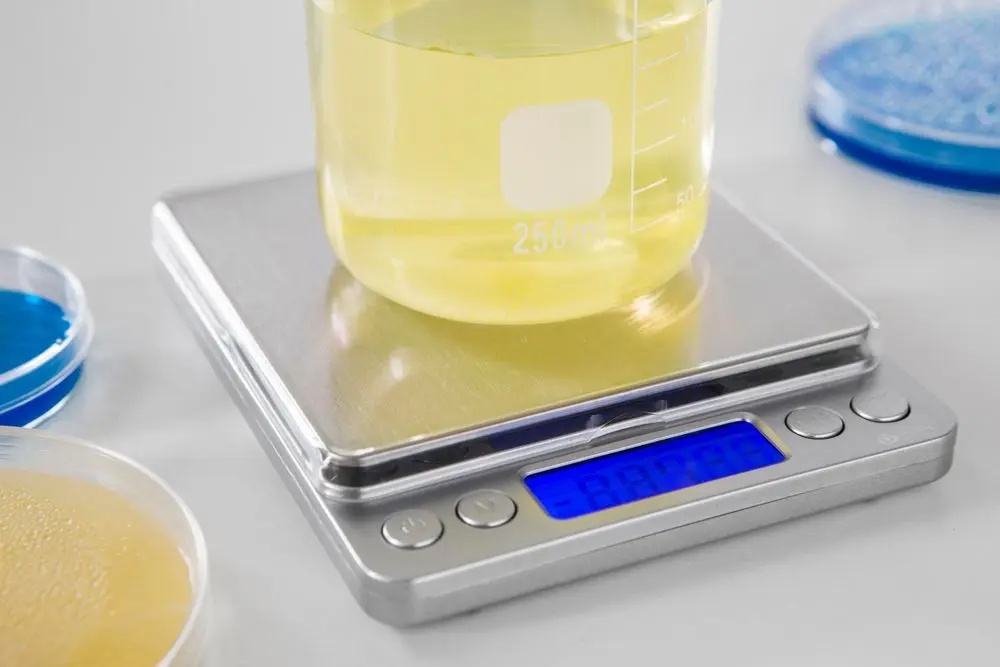
Kinematic viscosity is one of the most important properties used to evaluate oils, lubricants, and fuels. This article explains what kinematic viscosity measures, why it affects product performance, and how standardized test methods help laboratories ensure accurate and reliable results.

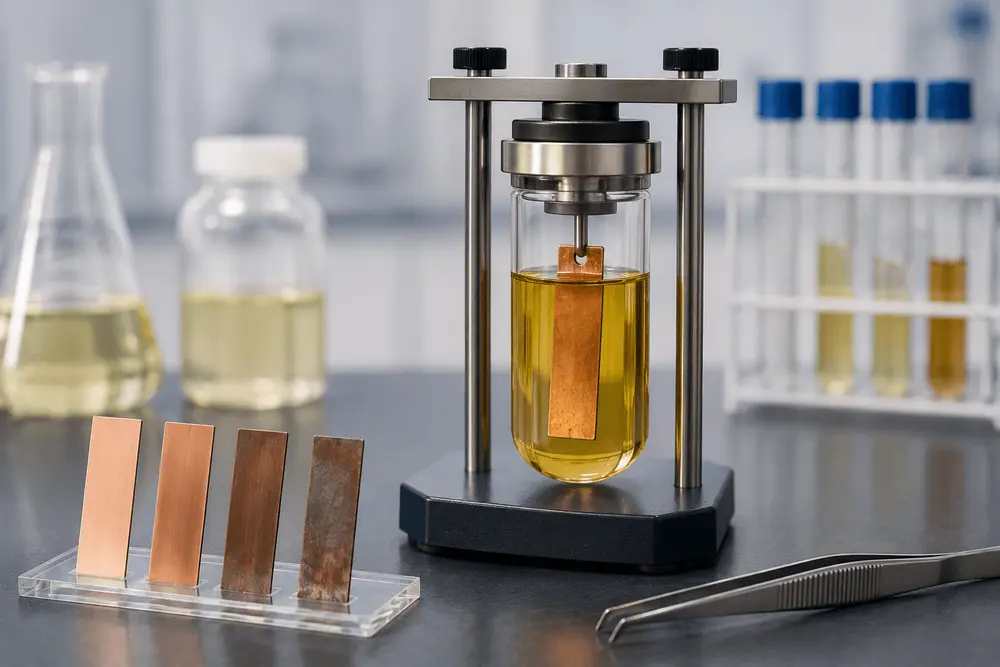
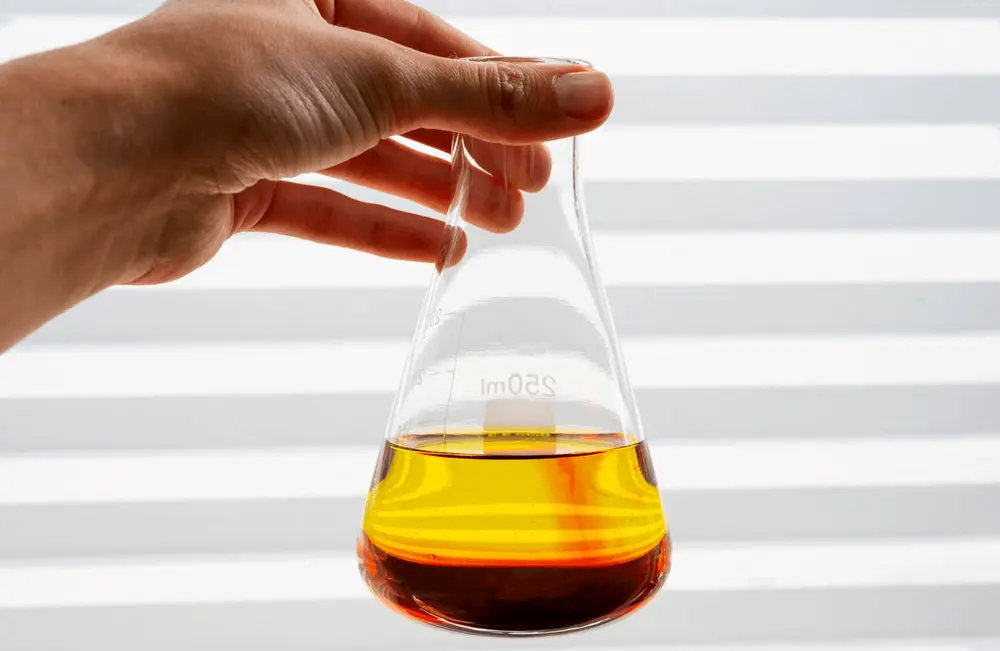
ASTM D130 is the standard test method for evaluating the corrosive effects of petroleum products on copper using a polished copper strip. This article explains the testing procedure, how results are interpreted, and why copper corrosion testing is an important part of fuel and lubricant quality assessment and industry compliance.

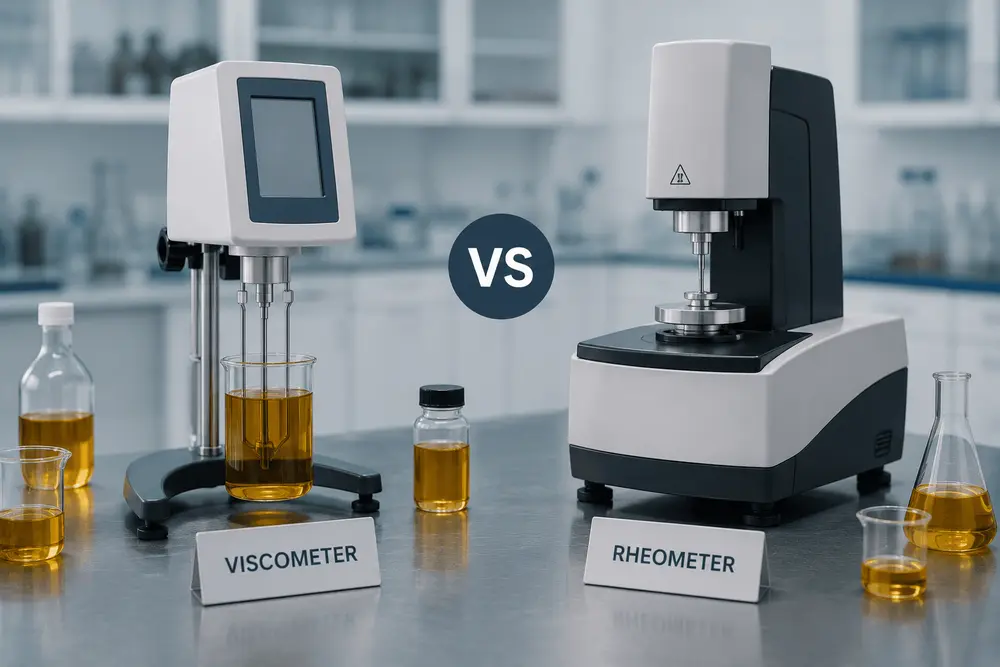
Choosing between a rheometer and a viscometer depends on the properties you need to measure and your testing objectives. This article explains the key differences between these instruments, how they are used in petroleum and lubricant laboratories, and why viscometers remain the preferred choice for standardized oil viscosity testing under methods such as ASTM D445.

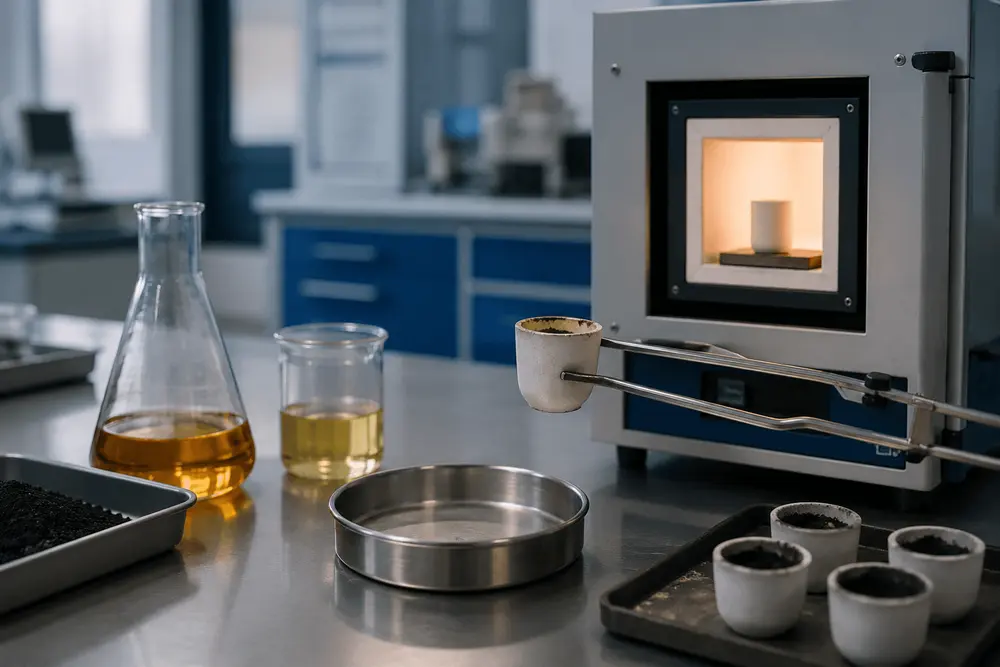
ASTM D482 is the standard test method for determining ash content in petroleum fuels and other combustible products. This article explains how the test works, why ash content is an important quality parameter, and how laboratories use ASTM D482 results to evaluate fuel cleanliness, combustion performance, and compliance with industry specifications.

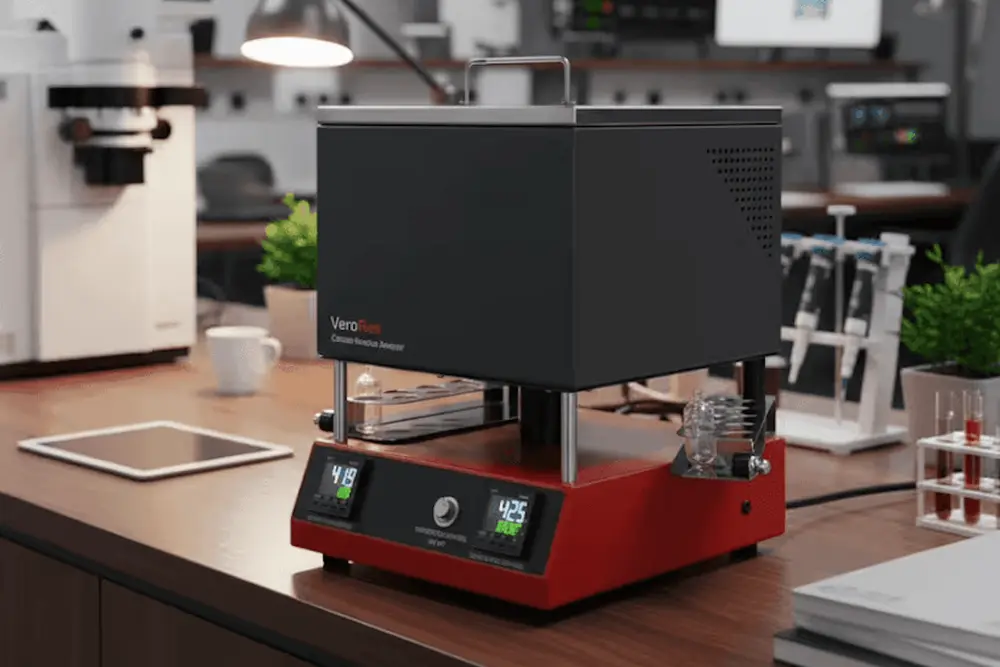
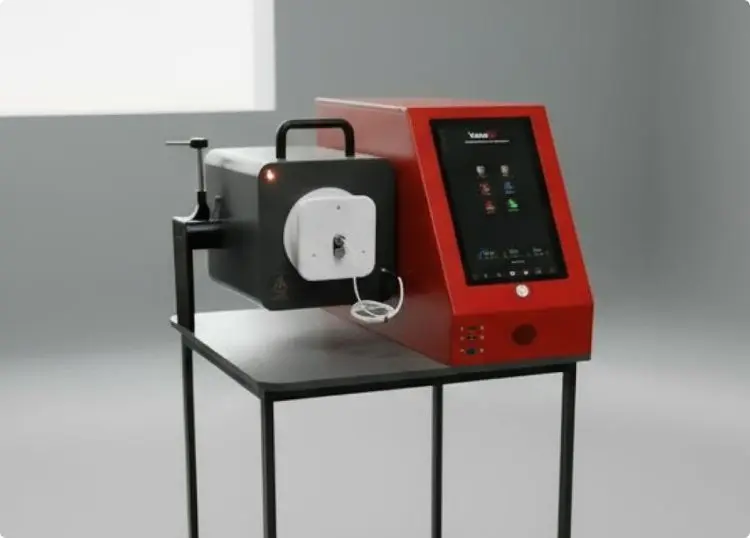
ASTM D445 is one of the most widely used standards for measuring kinematic viscosity in petroleum laboratories. This article explains how the method works, why temperature control is critical, and how laboratories use ASTM D445 testing to evaluate lubricant and fuel performance.

Foam formation in petroleum products can significantly impact lubrication performance, system stability, and equipment reliability. This article explains how ASTM D892 testing evaluates foaming tendency and foam stability, helping laboratories and engineers ensure consistent oil performance across industrial applications.
Get actionable insights and advanced solutions tailored to your industry's needs and technical challenges.
*Submit your email to receive the latest updates and insights from Vero Scientific.