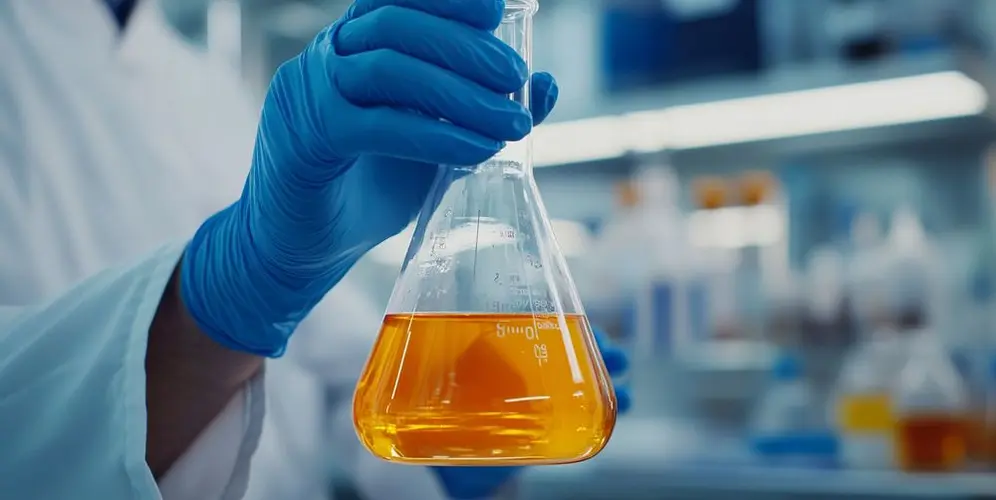
Petroleum testing forms the foundation of quality control, safety compliance, and operational efficiency across the oil and gas industry. Testing methods provide the data necessary to make decisions about pricing, application suitability, and regulatory compliance.
Why Petroleum Testing Matters
The petroleum industry operates on precise specifications and stringent quality requirements. Testing serves multiple critical functions that directly impact both safety and profitability.
Physical and chemical properties determine the market value of petroleum products. Light crude oil with low sulfur content commands premium prices, while heavier oils with high sulfur concentrations are less valuable.
This classification system, distinguishing "sweet" crude (less than 0.5% sulfur) from "sour" crude (higher sulfur content), directly affects commodity pricing. West Texas Intermediate, classified as sweet crude, consistently achieves higher market prices than sour crude from other sources due to its desirable characteristics.
Different engines and industrial applications require fuels with specific characteristics. Testing ensures proper matching between fuel properties and equipment requirements, preventing mechanical damage and optimizing performance.
Using fuel outside specified parameters can compromise efficiency and damage sensitive components. This application-specific approach protects investments in machinery while maximizing operational output.
Petroleum products often undergo extended storage before use. Testing assesses whether stored fuels maintain their original properties or have degraded over time. Regular analysis identifies contamination, oxidation, or other changes that could affect performance. This ongoing monitoring prevents costly operational disruptions and ensures consistent product quality.
Regulatory requirements mandate specific testing to verify sulfur content, flash point, and other parameters affecting emissions and handling safety. Testing ensures compliance with transportation regulations, workplace safety standards, and environmental protection requirements.
As regulations become more stringent, particularly regarding sulfur limits and emissions, accurate petroleum testing becomes increasingly critical for maintaining market access and avoiding penalties.
Essential ASTM Standards and Methods
ASTM International develops and publishes technical standards that define petroleum testing methods used globally. These standards provide detailed procedures ensuring consistent, reproducible results across different laboratories and testing facilities.
Elemental Analysis Through ICP-AES
ASTM D5185 uses Inductively Coupled Plasma Atomic Emission Spectrometry to determine concentrations of additive elements, contaminants, and wear metals in lubricating oils and base oils. The test identifies elements including calcium, zinc, phosphorus, and sulfur, both in new products for quality verification and in used oils for condition monitoring.
This analysis is essential for predictive maintenance programs and detecting contamination that could compromise lubricant performance. The method provides precise measurements that help laboratories track additive depletion, identify contamination sources, and make informed recommendations about oil change intervals.
Boiling Range Distribution Analysis
ASTM D2887 employs gas chromatography to determine the boiling range distribution of petroleum fractions with maximum boiling points up to 538°C. This test provides critical data for refinery operations, estimating potential yield and product quality during distillation processes.
The boiling range distribution influences how petroleum products perform in specific applications and helps predict behavior under various temperature conditions. Refineries use this data to optimize separation processes and maximize production of high-value products.
Flash Point Measurement Standards
ASTM D93 establishes the Pensky-Martens closed cup method for measuring flash point, the minimum temperature where petroleum vapors form a combustible mixture with air. This test operates across a wide temperature range from 40°C to 370°C using manual or automated equipment.
Flash point data is fundamental for safety classification, storage requirements, and transport documentation. Results determine how products must be handled, labeled, and shipped according to hazardous materials regulations.
API Gravity Determination
ASTM D287 provides a hydrometer method measuring petroleum density relative to water, expressed as API gravity. Products with API gravity above 10 are lighter than water and generally more valuable because they contain higher concentrations of light hydrocarbon fractions.
Light oils like West Texas Intermediate (API gravity around 40) flow freely and produce more valuable refined products. Heavy oils and bitumen (API gravity below 10) require specialized refining processes and command lower prices. This simple yet crucial measurement directly impacts commodity pricing and refining strategy decisions.
Sulfur Content Verification
ASTM D2622 establishes methods for measuring sulfur concentration, which is critical for environmental compliance and product specifications. High sulfur content impairs emission control systems and increases particulate emissions.
This test method enables refiners to verify that products meet increasingly stringent sulfur limits and helps buyers ensure fuel compatibility with modern engines.
Testing Across Different Product Categories
Crude oil testing characterizes feedstock properties before refining. Tests determine API gravity, sulfur content, salt content, water content, and viscosity. This data influences refinery processing decisions and establishes the crude oil's market value.
GasoGasoline, diesel, and jet fuel undergo extensive testing with fuel quality testing equipment to verify compliance with specifications. Key parameters include octane rating for gasoline, cetane number for diesel, distillation characteristics, vapor pressure, and oxidation stability.
Lubricating oil testing evaluates both new product quality and used oil condition. New product testing verifies viscosity grade, additive concentrations, and performance characteristics.
Petroleum waxes, asphalts, greases, and other specialty products require unique testing protocols. Asphalt testing measures penetration, softening point, and ductility. Grease testing evaluates consistency, dropping point, and mechanical stability. Each product type has specific standards addressing its particular performance requirements, reflecting the diverse applications of petroleum-derived materials.
Selecting the Right Testing Approach
The petroleum testing landscape includes hundreds of standardized methods covering diverse properties and applications. Comprehensive guides like "Guide to ASTM Test Methods for the Analysis of Petroleum Products, Liquid Fuels, and Lubricants" by R.A. Kishore Nadkarni provide detailed information on over 600 petroleum testing methods.
These resources describe test principles, advantages, limitations, and accuracy considerations while referencing equivalent methods from other standards organizations including ISO, DIN, AFNOR, and JIS.
Key Factors in Method Selection
Choosing appropriate tests requires careful consideration of several factors:
- Regulatory requirements specific to your industry and location
- Product specifications from customers or internal quality standards
- Testing frequency and laboratory throughput needs
- Available instrumentation and technical capabilities
- Cost considerations including equipment investment and operational expenses
- Required turnaround time for test results
Laboratory personnel require thorough training in test methods, including understanding the principles, limitations, and proper application of results.
Only through complete familiarity with testing capabilities can suppliers and customers reach agreement on product quality and performance expectations.
Building a Successful Testing Program
Petroleum testing continues to develop with technological advancement and changing industry needs. Investing in appropriate petroleum testing equipment and expertise delivers measurable returns through improved product quality, operational efficiency, and regulatory compliance.
The complexity of petroleum testing methods reflects the role these analyses play in the oil and gas industry. Testing provides the foundation for decision-making throughout the petroleum supply chain.