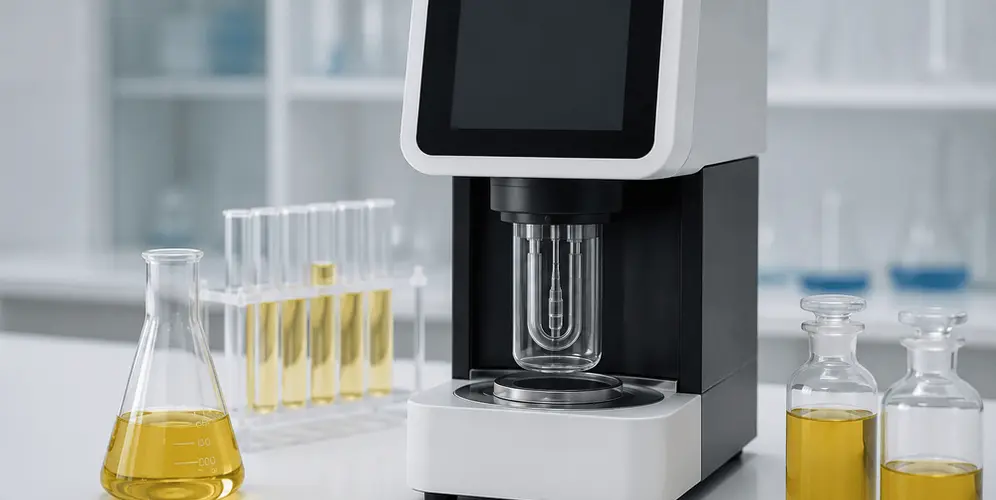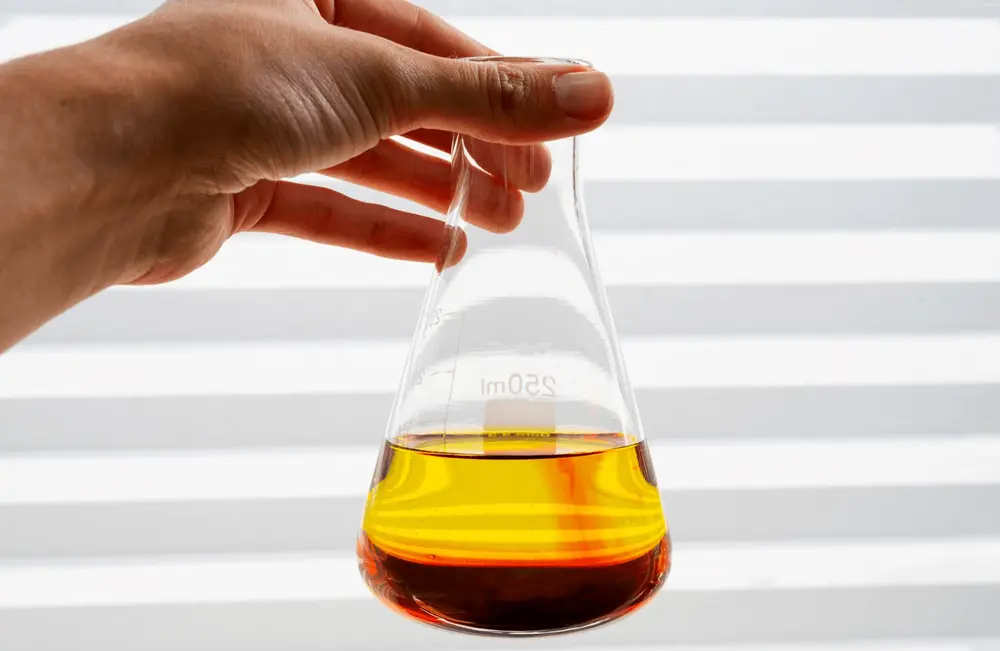
Crude oil testing provides the critical data that refineries, traders, and producers need to make informed decisions about feedstock processing, pricing, and product optimization. These laboratory analyses characterize crude oil properties, predict refining yields, and establish the foundation for successful commercial operations.
The Purpose of Crude Oil Testing
Crude oil arrives at refineries with widely varying characteristics. Light sweet crude from West Texas differs from heavy sour crude from Venezuela or Middle Eastern sources. These differences directly impact refining profitability, equipment requirements, and operational strategies.
Testing data establishes the fair market value of crude oil before purchase. Buyers use assay results to determine whether a particular crude suits their refinery configuration and product slate. Sellers use testing data to demonstrate quality and justify pricing. This information reduces commercial risk and enables confident trading decisions.
Refineries must understand feedstock properties to optimize unit operations, predict yields, and schedule production runs. Crude oil testing provides the data necessary for linear programming models that maximize profitability while meeting product specifications and environmental constraints.
Testing also verifies that crude oil meets contractual specifications and identifies contamination or quality issues before processing begins. This upfront verification prevents processing problems that could damage equipment or compromise product quality.
Fundamental Physical Property Tests
Several basic physical property measurements form the foundation of crude oil characterization, providing essential information about density, flow characteristics, and general quality indicators.
API gravity indicates whether crude oil is light or heavy relative to water. Light crude oils with high API gravity (above 35) contain more valuable light fractions and command premium prices. Heavy crude oils (API gravity below 20) require more intensive processing and sell at discounts. This measurement uses hydrometer methods following ASTM D287 or density meter approaches per ASTM D4052.
Sulfur concentration determines whether crude is classified as sweet (low sulfur) or sour (high sulfur). Sweet crude with less than 0.5% sulfur requires less processing to meet environmental regulations and produces cleaner products. Sour crude requires hydroprocessing units to remove sulfur, adding cost and complexity. ASTM D4294 and other methods quantify total sulfur content, providing critical data for refinery planning and environmental compliance.
Viscosity measurements characterize crude oil flow properties at different temperatures. This data affects pipeline transportation, storage tank heating requirements, and processing unit operations. Highly viscous crude oils may require heating or dilution for efficient handling and processing.
Salt and sediment measurements identify contaminants that can corrode refinery equipment and deactivate catalysts. Crude desalting units remove these contaminants before atmospheric distillation, making accurate measurement essential for process design and operation.
Distillation: Understanding Crude Oil Composition
Distillation testing separates crude oil into fractions based on boiling point ranges, revealing what products the crude can yield and in what quantities. This information drives refinery economics and processing strategies.
ASTM D2892 Atmospheric Distillation
ASTM D2892 establishes the standard method for crude oil distillation at atmospheric pressure up to 400°C Atmospheric Equivalent Temperature. This technique separates stabilized crude into lighter products including gasoline, naphtha, kerosene, and gas oil fractions.
The method employs a fractionating column with 14 to 18 theoretical plates operated at a 5:1 reflux ratio. This configuration produces a true boiling point (TBP) distillation curve that accurately represents crude oil volatility distribution.
Key applications of ASTM D2892 include:
- Separating stabilized crude into distinct boiling range fractions
- Predicting yields of gasoline, kerosene, diesel, and gas oil products
- Generating samples for detailed fraction-specific analyses
- Creating true boiling point curves for refinery simulation models
- Evaluating crude quality for commercial trading decisions
The method applies to any petroleum mixture except liquefied petroleum gases, very light naphthas, and fractions with initial boiling points above 400°C. For heavier materials, vacuum distillation methods become necessary.
ASTM D5236 Vacuum Distillation
ASTM D5236 extends distillation analysis into the heavy hydrocarbon range using vacuum pot still techniques. The reduced pressure environment allows volatilization at lower temperatures, preventing thermal cracking that would occur if these heavy fractions were heated to their atmospheric boiling points.
This method characterizes fractions in the gas oil and lubricating oil ranges, covering materials with initial boiling points above 150°C. Testing can safely reach 565°C for most samples without causing thermal decomposition.
The vacuum distillation data reveals the potential for producing valuable products from the heavy portion of crude oil. Lubricating oil base stocks, vacuum gas oil for catalytic cracking, and residual fuel oil yields all depend on vacuum distillation characteristics.
Together, ASTM D2892 and D5236 provide complete boiling range distribution from light ends through heavy residue. This comprehensive data enables accurate yield predictions and processing optimization.
Compositional Analysis Methods
Beyond basic distillation, advanced analytical techniques characterize specific compound classes and elemental composition. These measurements predict processing challenges and product quality issues.
Crude oils contain trace metals including vanadium, nickel, sodium, and iron. These metals poison catalysts in fluid catalytic cracking and hydroprocessing units, causing reduced activity and increased operating costs. Inductively Coupled Plasma (ICP) spectroscopy measures metals at parts-per-million levels, providing data needed for catalyst replacement scheduling and unit performance optimization.
Nitrogen compounds in crude oil also poison catalysts and affect product stability. Total nitrogen and basic nitrogen measurements help refineries predict processing requirements and catalyst consumption rates. High nitrogen content may necessitate more severe hydroprocessing conditions.
Conradson carbon residue or micro carbon residue tests indicate the tendency of crude oil to form coke during processing. This measurement helps refineries assess coking unit feedstock suitability and predict yields of heavy products versus coke.
Pour point and cloud point measurements characterize crude oil behavior at low temperatures, affecting storage, transportation, and handling requirements. Pour point indicates the lowest temperature where crude remains pourable, while cloud point shows when wax crystals begin forming.
Comprehensive Crude Assays
Full crude oil assays combine multiple analytical techniques into comprehensive reports that completely characterize crude properties. These detailed evaluations support major commercial decisions and long-term refinery planning. What comprehensive crude assays typically include:
- Whole Crude Properties - API gravity, sulfur content, viscosity, pour point, salt content, and water content
- Distillation Analysis - Complete ASTM D2892 and D5236 distillation with fraction yields by mass and volume
- Fraction Characterization - Detailed testing of each distillation cut including density, sulfur, viscosity, and performance properties
- Contaminants Analysis - Metals content (vanadium, nickel, iron), nitrogen compounds, and carbon residue
- Specialized Testing - Additional analyses based on refinery configuration and product objectives
Some assays focus on specific refinery configurations, emphasizing tests most relevant to particular processing schemes. Others provide broad characterization suitable for initial evaluation or trading decisions. Working with experienced crude oil testing laboratories ensures that assay scope matches intended applications.
Selecting Testing Approaches and Laboratory Partners
Not every crude oil requires full assay testing. The appropriate level of analysis depends on several factors including the crude's intended use, available historical data, and commercial circumstances.
For new crude sources or major processing changes, comprehensive assays provide the detailed data necessary for confident decision-making. For routine purchases of familiar crudes, abbreviated testing focusing on key parameters may suffice.
Quality crude oil testing equipment and experienced laboratory personnel ensure accurate, reliable results that support critical business decisions. Laboratories should maintain accreditation to ISO/IEC 17025 and follow recognized standard methods from ASTM International and other standards organizations.
Selecting qualified laboratories involves evaluating their capabilities, turnaround times, and quality assurance programs. Laboratories should demonstrate experience with crude oil testing, maintain properly calibrated equipment, and participate in proficiency testing programs. Clear communication about testing objectives helps laboratories recommend appropriate methods and deliver useful data.
Turning Data Into Operational Value
Crude oil testing delivers maximum value when results inform actual operational and commercial decisions. Comparing assay data against refinery linear programming models identifies processing constraints and optimization opportunities. Tracking changes in crude properties over time reveals quality trends that may affect future operations.
Integrating testing data with commercial intelligence supports better purchasing decisions and improved margins. Understanding how crude properties affect product yields enables refineries to pursue feedstocks that maximize profitability within existing processing capabilities.
Whether evaluating new crude sources, optimizing existing operations, or supporting commercial transactions, comprehensive crude oil testing provides the foundation for successful petroleum industry operations. Investing in quality testing and working with experienced laboratories ensures that critical decisions rest on reliable, accurate data.