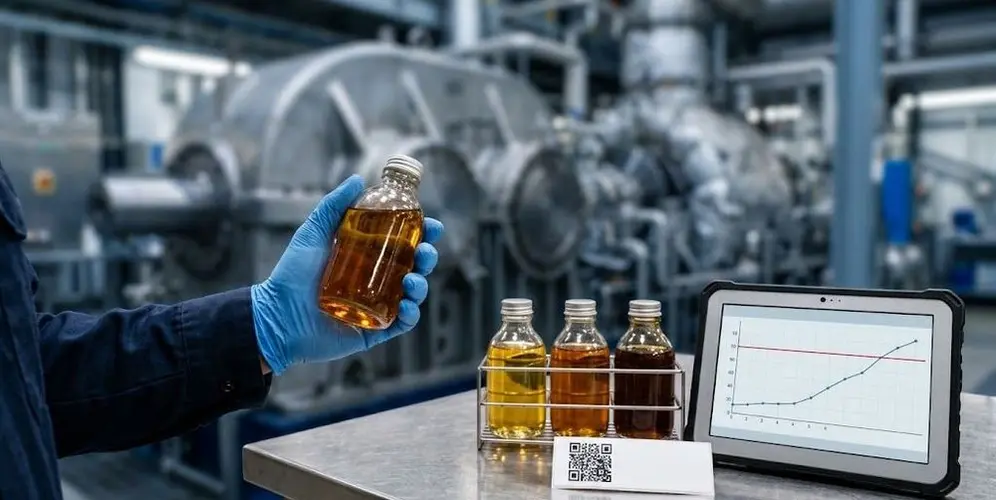
Flash point testing is a critical safety procedure in the petroleum, chemical, and manufacturing industries. A flash point tester is a specialized instrument designed to determine the lowest temperature at which vapors from a liquid petroleum product, fuel, or chemical will ignite when exposed to an ignition source. This temperature measurement is essential for assessing the flammability risk of materials used across various industries.
The flash point of a material directly correlates to its safety profile. Liquids with lower flash points pose higher fire hazards because they produce flammable vapors at lower temperatures. For instance, a substance with a flash point below ambient temperature presents immediate safety concerns and requires specific handling, storage, and transport protocols.
Why Flash Point Testing Matters
Flash point testing serves multiple critical functions in industrial operations:
Safety Classification and Hazard Assessment
Flash point data enables proper classification of materials as flammable, ignitable, or combustible according to regulatory standards. This classification determines how materials must be packaged, labeled, stored, and transported to minimize fire and explosion risks.
Quality Control and Specification Compliance
Product specifications routinely include flash point requirements to ensure consistent quality and performance. Regular testing verifies that materials meet these specifications and identifies any deviations that could indicate contamination or quality issues.
Contamination Detection
Changes in flash point measurements can reveal the presence of volatile contaminants in a sample. This is particularly valuable in oil analysis, where contamination by diesel or gasoline fuel can significantly reduce engine oil viscosity and compromise its protective properties. A flash point test combined with viscosity analysis helps distinguish between oil degradation and contamination issues.
Regulatory Compliance
Transport regulations, workplace safety standards, and environmental guidelines require accurate flash point data for proper material handling and documentation. Testing ensures compliance with ASTM, ISO, and other international standards.
How Flash Point Testing Machines Work
Flash point testing machines operate by heating a sample of material in a controlled environment and introducing an ignition source at specific intervals to detect when the vapors ignite. The process involves careful temperature control, vapor management, and precise ignition timing.
Sample Preparation
The test begins by placing a measured quantity of the sample material into the test cup or vessel of the flash point tester. The sample volume and preparation method must follow the specific testing standard being applied.
Temperature Control
The testing machine gradually heats the sample at a controlled rate, typically between 5-6°C per minute, depending on the method. Precise temperature monitoring is essential, as the flash point must be determined within narrow tolerances, often to 0.1°C or better.
Ignition Source Application
At regular temperature intervals during heating, an ignition source, typically a small flame or electric spark, is introduced above or into the vapor space of the sample. Modern automated flash point testing machines control this process electronically for consistent timing and positioning.
Flash Detection
The operator or automated detection system monitors for a flash, a brief ignition of the vapor-air mixture. The flash point is reached when this ignition occurs and is sustained momentarily before extinguishing.
Result Recording
The temperature at which the flash occurs is recorded as the flash point. Some methods also measure the fire point, which is the temperature at which sustained combustion occurs for at least five seconds.
Flash Point Testing Methods: Open Cup vs. Closed Cup
Flash point testing equipment falls into two primary categories based on vessel design, each suited for different applications and sample types.
Closed Cup Methods
Closed cup flash point testers use a sealed vessel that isolates the sample from the outside atmosphere. The vessel and sample are heated together, replicating conditions where an ignition source might be introduced into a sealed container like a storage tank. Key characteristics:
- Sealed test environment prevents vapor loss
- Generally produces lower flash point readings
- More precise and reproducible results
- Preferred for product specifications and regulatory compliance
- Suitable for petroleum products with flash points above 79°C
Common closed cup standards:
- Pensky-Martens (ASTM D93, ISO 2719): The most widely used closed cup method for petroleum products
- Abel (ISO 1523): Used for lower flash point materials
- Tag Closed Cup (ASTM D56): Suitable for volatile liquids
- Setaflash Closed Cup: Rapid testing method for quality control
Closed cup methods are essential for testing materials that will be stored or transported in sealed containers. The contained environment produces conservative results that better reflect worst-case scenarios for safety assessment.
Open Cup Methods
Open cup flash point testers use a vessel exposed to the ambient atmosphere. The sample is heated while an ignition source passes over the liquid surface at regular intervals until ignition occurs. Key characteristics:
- Test vessel open to atmosphere
- Vapors can dissipate, affecting results
- Generally produces higher flash point readings
- Originally developed to simulate spillage hazards
- Results may be influenced by ambient conditions
Common Open Cup Standards:
- Cleveland Open Cup (ASTM D92, ISO 2592): Standard method for viscous petroleum products
- Tag Open Cup (ASTM D1310, D3143): Alternative for less viscous samples
- Setaflash Open Cup: Rapid method for environmental compliance testing
Open cup methods better represent scenarios involving spills or open containers where vapors disperse into the surrounding air. They are particularly useful for testing highly viscous materials like asphalt, bitumen, and heavy lubricating oils.
Key Features of Modern Flash Point Testing Machines
Temperature Range and Control
Advanced flash point testers offer wide temperature ranges, typically from ambient to 400°C or higher, with precision control to ±0.1°C or better. This range accommodates testing requirements for diverse petroleum products, from volatile solvents to high-temperature oils.
Multi-Standard Capability
Quality flash point testing equipment supports multiple testing standards (ASTM, ISO, IP) within a single instrument. This versatility eliminates the need for multiple dedicated testers and simplifies laboratory operations.
Automated Sample Handling
High-end systems feature automated sample introduction, testing, and vessel cleaning between tests. This reduces operator workload and ensures consistent sample preparation across test sequences.
Detection Systems
Modern automated testers employ optical or electronic flame detection systems that precisely identify the moment of ignition. These systems provide objective, repeatable flash point determination independent of operator judgment.
Safety Features
Contemporary flash point testing machines incorporate multiple safety features including:
- Automatic lid closure for closed cup testing
- Fire suppression systems
- Emergency shutdown controls
- Vapor containment and ventilation
- Operator shields and barriers
Connectivity and Integration
Advanced systems offer USB, Ethernet, and LIMS connectivity for seamless data transfer and integration with laboratory information management systems. Results can be exported in multiple formats for reporting and analysis.
Factors Affecting Flash Point Results
Several variables can influence flash point measurements:
- Contamination. Even small amounts of volatile contaminants can dramatically lower flash point. Gasoline contamination in diesel fuel or engine oil produces measurable flash point reductions.
- Test method. Open cup and closed cup methods typically yield different results for the same sample, with closed cup producing lower values.
- Atmospheric conditions. Barometric pressure affects vapor pressure and can influence results, particularly in open cup testing.
- Sample preparation. Proper sample handling, including avoiding volatile loss during transfer and storage, is essential for accurate results.
- Equipment calibration. Regular calibration and verification using certified reference materials ensures measurement accuracy and traceability.
Selecting the Right Flash Point Tester
When evaluating flash point testing equipment as part of your petroleum testing equipment portfolio, consider these factors:
- Ensure the instrument supports the specific ASTM, ISO, or IP methods required for your applications and regulatory compliance needs.
- Match the tester's capabilities to your sample characteristics, viscosity, flash point range, volatility, and sample volume requirements.
- Determine whether manual operation suffices or if automated testing is necessary based on sample volume and staffing considerations.
- Balance initial equipment costs against long-term operational expenses, including consumables, maintenance, and operator time.
- Verify compatibility with existing utilities (electrical, gas, ventilation) and available bench space.
- Assess requirements for result storage, reporting, and integration with existing laboratory information systems.
Precision in Flash Point Testing Starts with the Right Technology
Choosing the right flash point testing equipment requires careful consideration of testing standards, sample characteristics, throughput requirements, and long-term operational needs. Modern automated systems offer significant advantages in consistency, efficiency, and safety while supporting the stringent requirements of today's petroleum and chemical industries.
For organizations seeking to optimize their testing operations, investing in quality flash point testing equipment delivers measurable benefits through improved safety, reduced testing time, enhanced data quality, and simplified regulatory compliance.