
Foaming Tendency Analyzer
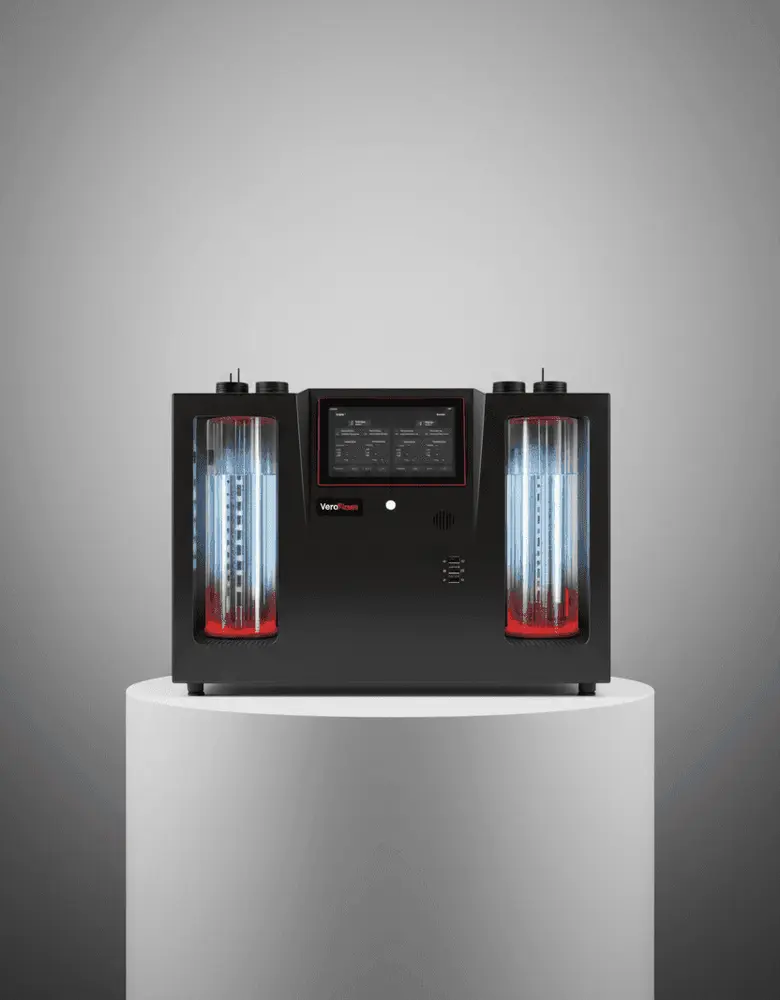
The VeroFoam foaming tendency analyzer is designed to evaluate the foaming behavior of lubricating oils and other fluids used in industrial systems. With precise temperature control, multi-sample capacity, and support for internationally recognized test methods, it delivers reliable and repeatable results for laboratory oil testing.
Results land in VeroOCM, the on-site oil analysis platform.
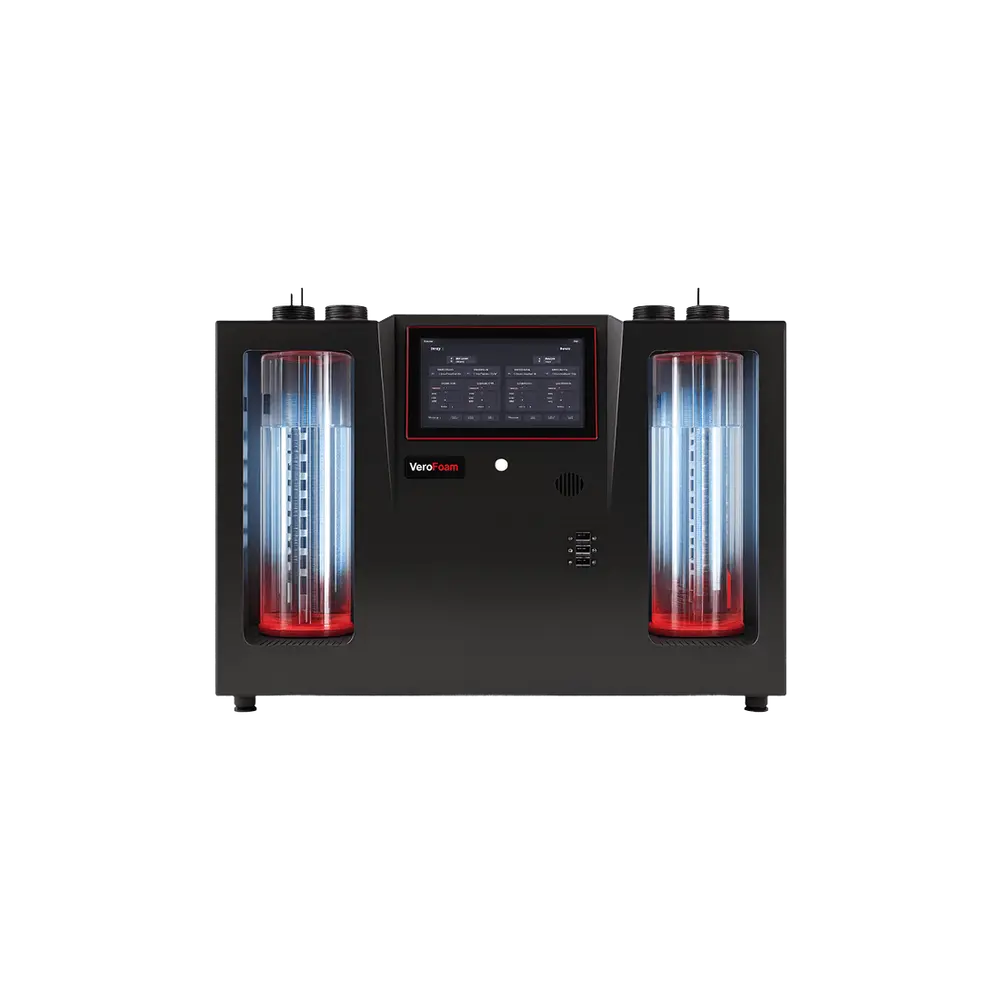
The VeroFoam foaming characteristics analyzer operates according to internationally recognized testing methods including the ASTM D892 foam test and ASTM D6082. These standards allow laboratories to accurately evaluate foam formation and stability in lubricating oils, supporting quality control and research in petroleum and lubricant testing.
The system also supports foaming tendency test customized configurations for laboratories requiring specific testing conditions or non-standard fluid analysis.
Highlights
The VeroFoam foaming tendency analyzer provides highly accurate and repeatable measurements of foam formation and collapse in lubricating oils, helping laboratories evaluate lubricant performance under dynamic operating conditions. By precisely measuring foam levels and collapse time, it provides valuable insights into the performance and stability of oils in high-speed systems and turbulent environments.
Designed for high-throughput laboratory workflows, the VeroFoam foaming characteristics analyzer can analyze up to four samples simultaneously without compromising accuracy. Its temperature range of 5°C to 150°C with 0.1°C resolution ensures reliable testing across different fluid types. The integrated 10.1-inch touchscreen interface simplifies operation and data management, while the device can store up to 10,000 test results for historical analysis and quality monitoring. Compliance with standards such as ASTM D892 and ASTM D6082 ensures reliable evaluation of foaming tendencies in lubricants.
Features
Foaming Tendency Testing Capabilities
Vero Scientific also operates as a coolant foam tendency tester supplier, supporting engine coolant foam testing and other specialized industrial applications.
- Detailed Testing Methodology: Learn how the VeroFoam employs cutting-edge technology to accurately assess foaming tendencies in lubricants and oils, ensuring precise results for various industrial applications.
- Step-by-Step Test Demonstration: Watch a live demonstration of the device's testing process, highlighting its efficiency in evaluating foam levels and collapse time for accurate oil stability analysis.
- Real-World Application Benefits: See how the VeroFoam supports industries such as automotive, aerospace, and manufacturing by providing reliable insights into the behavior of lubricants under different operational conditions.
- Optimized Performance: Discover how the VeroFoam contributes to preventing issues like cavitation, overflow, and premature oxidation by ensuring that lubricants perform optimally in high-speed or turbulent environments.
- Coolant Foam Tendency Testing: In addition to lubricant analysis, the VeroFoam functions as a dependable coolant foam tendency tester, helping laboratories evaluate foam formation and stability in engine coolants using the same precise temperature control and multi-sample capacity.
Operational Features and System Control
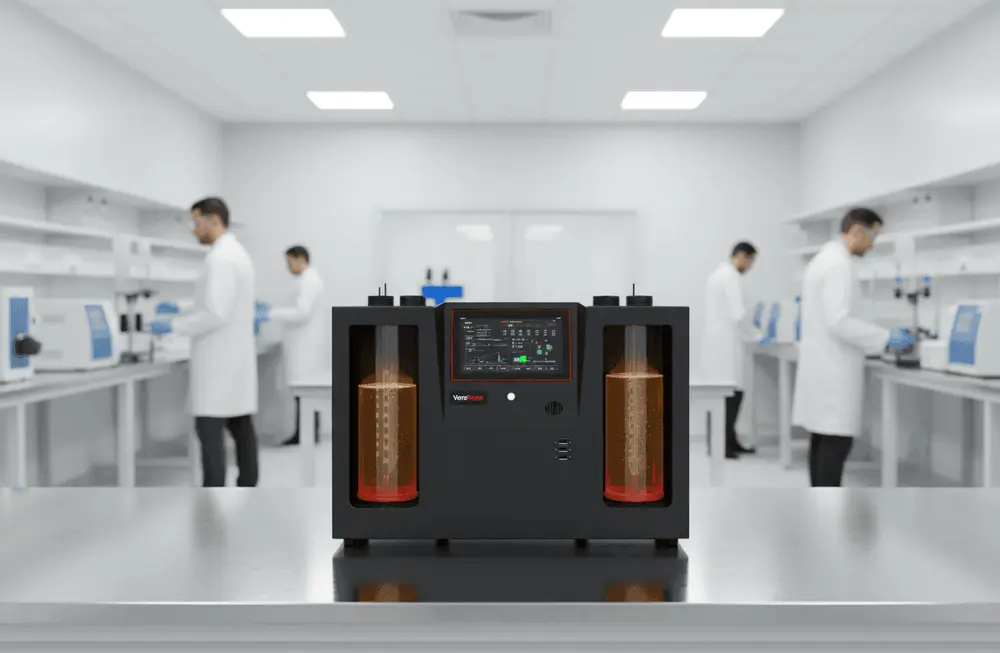
- Intuitive Touchscreen Interface: Explore the VeroFoam's 10.1-inch capacitive touchscreen, which simplifies the user experience and enhances ease of use, even for complex testing procedures.
- Multi-Sample Testing Capacity: Understand how the device allows testing of up to four samples simultaneously, streamlining the testing process and improving laboratory efficiency.
- Compliance with Global Standards: Learn how the VeroFoam ensures compliance with industry standards like ASTM D892 and ASTM D6082, guaranteeing consistent and reliable test results.
- Advanced Software Capabilities: Dive into the device's software features, including easy method setup, calibration tools, and automated result storage, all designed to enhance user experience and reduce human error.
Technical Specifications
| Model | VeroFoam - Foaming Tendency Analyzer |
|---|---|
| Standards Compliance | ASTM D892/D6082 |
| Applications | Foaming Tendency Analyzer for Newtonian Liquids |
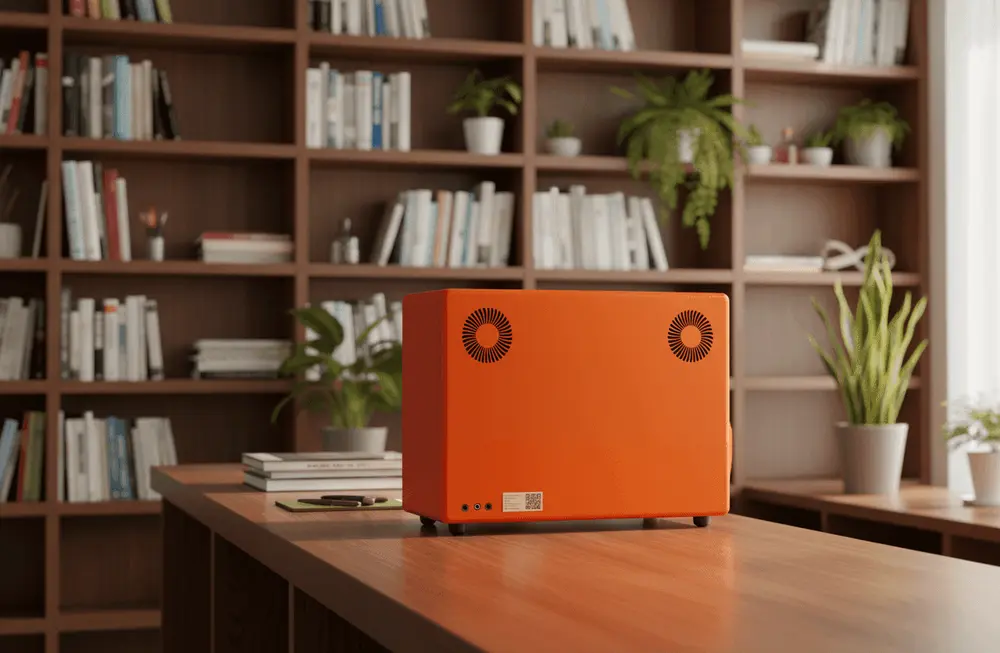
| Device Dimensions | W: 84cm D: 39cm H:63cm |
| Weight | 52 Kg |
| Operation System | Windows 10 |
| User Interface | 10.1-inch capacitive touch screen |
| Result Storage Capacitiy | 10000 results |
| Result Format | |
| Power Supply | 220 Volt 50-60 Hz |
| Power Consumption | 1800W (Max) |
| Device Operating Environment | 10 °C to 50 °C |
| Oil Bath 1 | 6-8 lt Volume |
| Oil Bath 2 | 6-8 lt Volume |
| Temperature Range | 5°C to 150 °C (With Chiller Options) |
| Temperature Resolution | 0.1 °C |
| Automated Sample Capacity | 4 Sample |
| Timing Resolution | 1 Second |
Resources
Frequently Asked Questions
How does VeroFoam perform ASTM D892 testing?
Our foaming tendency analyzer is designed to fully support ASTM D892 foam test procedures, including all required test sequences. The system controls temperature conditions and airflow to evaluate both foaming tendency and foam stability under standardized conditions, ensuring accurate and reproducible results.
What is the ASTM method for foaming tendency in lubricating oils?
The primary standard is ASTM D892, which measures the foaming characteristics of lubricating oils at controlled temperatures, typically 24°C and 93.5°C. The method evaluates both the amount of foam generated and how quickly it dissipates after aeration. These results help determine whether an oil is suitable for demanding applications.
How does VeroFoam ensure repeatable results?
The VeroFoam maintains precise control of airflow, temperature, and timing throughout each test sequence. By automating these critical parameters, the system reduces operator variability and ensures consistent measurement of foam volume and stability across multiple tests.
What parameters are measured using your foaming tendency analyzer?
Our analyzer measures both foaming tendency (foam volume immediately after aeration) and foam stability (foam remaining after a defined settling period). These values are essential for evaluating lubricant performance and identifying potential issues such as air entrainment or poor additive performance.
How does your equipment handle different ASTM D892 test sequences?
The VeroFoam supports all standard ASTM D892 sequences, including testing at multiple temperatures and conditions. This allows laboratories to evaluate how oils behave under both ambient and elevated temperature environments, ensuring a comprehensive assessment of foaming behavior.
Why is foaming tendency testing important for oil and lubricant performance?
Excessive foaming can lead to serious operational issues such as reduced lubrication efficiency, cavitation, and system instability. ASTM D892 testing helps laboratories identify these risks early and ensure that oils meet performance requirements for industrial and automotive applications.
How does your foaming tendency analyzer improve laboratory efficiency?
The VeroFoam streamlines ASTM D892 testing through automated workflows, reducing manual intervention and simplifying test setup. This allows laboratories to increase throughput while maintaining consistent, high-quality results across routine and advanced testing programs.
Can the VeroFoam be used as a coolant foam tendency tester?
Yes. Alongside ASTM D892 lubricant testing, the VeroFoam works as a coolant foam tendency tester, allowing laboratories to evaluate foam formation and collapse in engine coolants with the same precise temperature control and multi-sample capacity used for oil analysis.