
Standards
ASTM D892 Foaming Characteristics of Lubricating Oils
ASTM D892 is the standard test method for evaluating the foaming characteristics of lubricating oils at specified temperatures. The method measures both the foaming tendency and foam stability of lubricants, helping laboratories assess how oils will perform under operating conditions where excessive foam may affect lubrication efficiency, oxidation, and equipment reliability.
The ASTM D892 foam test is widely used by lubricant manufacturers, additive developers, industrial laboratories, and quality control facilities to verify product performance and ensure compliance with industry specifications. Measuring foaming tendency ASTM D892 helps identify oils that maintain proper lubrication while minimizing air entrainment and foam-related operating issues.
Vero Scientific provides laboratory equipment designed to support ASTM D892 testing with precise air flow control, accurate temperature regulation, and repeatable test conditions for routine lubricant quality evaluation.
ASTM Standard at a Glance
Property | Value |
| ASTM Standard | ASTM D892 |
| Measures | Foaming Characteristics (Foaming Tendency & Foam Stability) |
| Applicable Samples | Lubricating Oils |
| Related Standards | ASTM D6082, ASTM D3519 |
| Recommended Equipment | VeroFoam - Foaming Tendency Analyzer |
Related Products
Recommended equipment for ASTM D892:
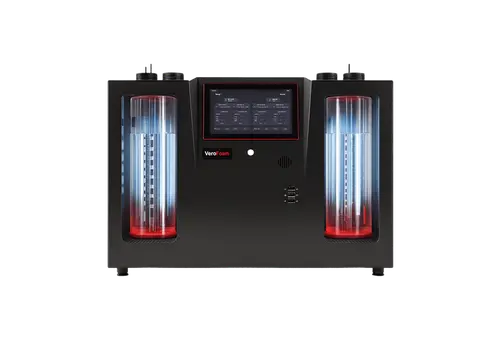
Choosing the Right Equipment for ASTM D892 Testing
Reliable ASTM D892 testing requires precise control of temperature, air flow, and test timing to ensure repeatable foam generation and collapse measurements. Laboratories performing the ASTM D892 foam test rely on dedicated instrumentation that minimizes operator variability while maintaining compliance with the requirements defined by the standard.
VeroFoam is designed to support ASTM D892 by providing controlled operating conditions for evaluating both foaming tendency and foam stability in lubricating oils. Automated operation improves repeatability, increases laboratory efficiency, and delivers dependable results for quality control, product development, and lubricant performance evaluation.
Frequently Asked Questions
What does ASTM D892 measure?
ASTM D892 measures the foaming characteristics of lubricating oils by evaluating both foaming tendency and foam stability under controlled laboratory conditions.
Why is the ASTM D892 foam test important?
The ASTM D892 foam test helps determine whether a lubricant is likely to generate excessive foam that could reduce lubrication efficiency, promote oxidation, or contribute to equipment wear.
What is foaming tendency according to ASTM D892?
Foaming tendency ASTM D892 refers to the volume of foam produced immediately after air is introduced into the oil under specified test conditions. The standard also measures how quickly the foam dissipates after aeration stops.
Which oils can be tested using ASTM D892?
ASTM D892 is intended for lubricating oils, including industrial lubricants, hydraulic fluids, turbine oils, circulating oils, and other products where foam performance is a critical quality parameter.
Does Vero Scientific provide equipment for ASTM D892?
Yes. VeroFoam is designed to support ASTM D892 testing by providing controlled testing conditions, repeatable operation, and efficient laboratory workflows.
Why is foam stability important in lubricant testing?
Foam that persists after aeration can reduce effective lubrication, interfere with heat transfer, increase oxidation, and negatively affect equipment performance. Measuring foam stability helps laboratories evaluate lubricant quality before products are placed into service.
Get actionable insights and advanced solutions tailored to your industry's needs and technical challenges.
*Submit your email to receive the latest updates and insights from Vero Scientific.