
Standards
ASTM D240 Heat of Combustion
ASTM D240 is the bomb-calorimeter method for the heat of combustion of liquid hydrocarbon fuels. A weighed sample is burned in oxygen inside a sealed bomb, and the temperature rise of the calorimeter is converted to an energy content. Fuel producers and acceptance labs use the number to check specification heat value — not to describe combustion in an engine or a burner.
The method is written for liquid hydrocarbon fuels. It is not a general calorimetry standard for solids, gases, or formulated lubricants. Gross heat of combustion (the usual D240 report) is also not the same as net heating value; the two differ by the latent heat of the water formed during combustion.
This page is original prose and is not a reproduction of the standard. Buy the official text from the ASTM store.
ASTM Standard at a Glance
| Property | Value |
| ASTM Standard | ASTM D240 |
| Type | Test method |
| Measures | Heat of combustion (bomb calorimeter) |
| Applicable samples | Liquid hydrocarbon fuels |
| Related standards | Other bomb-calorimeter methods for different sample types |
| Recommended equipment | VeroCal — Oxygen Bomb Calorimeter |
Related Products
Recommended equipment for ASTM D240:
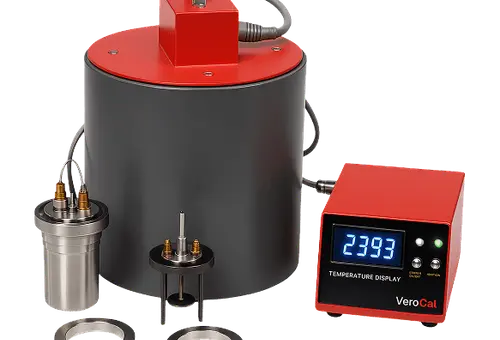
Choosing the right equipment for ASTM D240
Bomb calorimetry lives or dies on weigh-up, bomb sealing, jacket temperature, and the corrections the method requires. A dedicated oxygen bomb calorimeter keeps that workflow repeatable.
The Vero Scientific oxygen bomb calorimeter (VeroCal) is the instrument linked to this method.
Frequently Asked Questions
What does ASTM D240 measure?
D240 reports the heat of combustion (gross calorific value) of a liquid hydrocarbon fuel burned in a bomb calorimeter under specified conditions. The result is an energy content, typically in MJ/kg or a related unit from the method.
How does a bomb calorimeter test work?
A weighed sample is burned in a high-pressure oxygen bomb. The temperature rise of the surrounding water jacket, plus corrections defined in the method, gives the heat released.
Which samples fall under ASTM D240?
D240 is written for liquid hydrocarbon fuels. It is not a general “any liquid” calorimetry method, and it is not a substitute for gas calorimetry or for solid-fuel bomb methods.
Does Vero Scientific provide equipment for ASTM D240?
Yes. The oxygen bomb calorimeter (VeroCal) is the Vero Scientific instrument for this D240 workflow.
Is heat of combustion the same as net heating value?
Gross heat of combustion includes the heat recovered when combustion water condenses. Net (lower) heating value subtracts that latent heat. Spec sheets sometimes quote one and mean the other — read the unit and the basis before you compare two numbers.
Get actionable insights and advanced solutions tailored to your industry's needs and technical challenges.
*Submit your email to receive the latest updates and insights from Vero Scientific.