
Solutions
Advanced Fuel Quality Testing Solutions for Petroleum Laboratories
Fuel quality determines more than regulatory compliance. The physical and chemical properties of a petroleum product govern combustion efficiency, storage stability, equipment compatibility, and the operational safety of every system the fuel passes through. When those properties drift outside specification, the consequences extend well beyond a failed test report.
Vero Scientific builds fuel testing instrumentation for petroleum laboratories that carry direct responsibility for product integrity across the supply chain. Our systems are used in refineries, fuel distribution facilities, lubricant production plants, independent analytical laboratories, and research institutions where measurement accuracy and workflow discipline are operational standards.
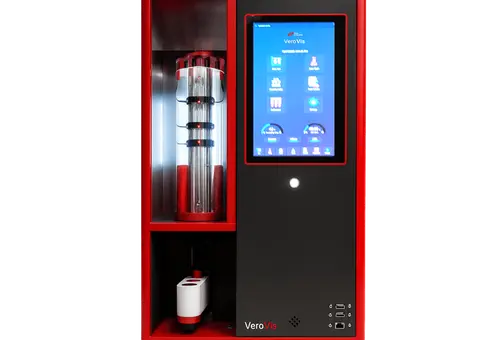 VeroVis
Automatic Kinematic Viscometer
 VeroXi
Oxidation Stability Analyzer
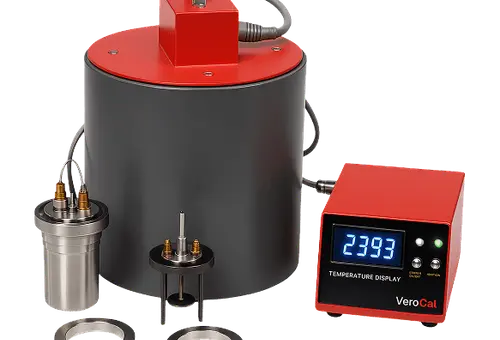 VeroCal
Oxygen Bomb Calorimeter
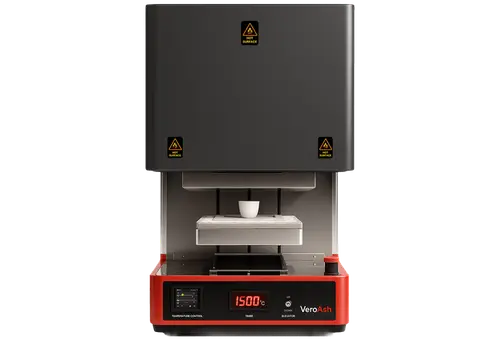 VeroAsh
Ash Content Furnace
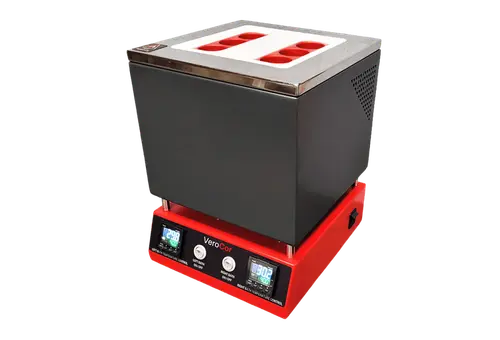 VeroCor
Copper Corrosion Test Bath
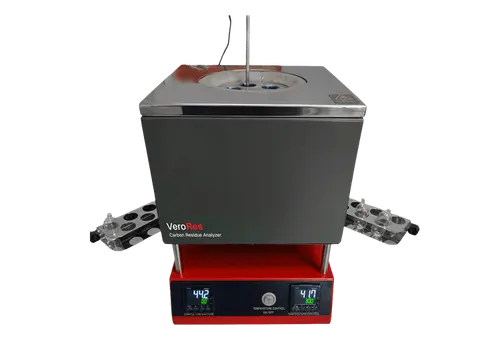 VeroRes
Carbon Residue Analyzer
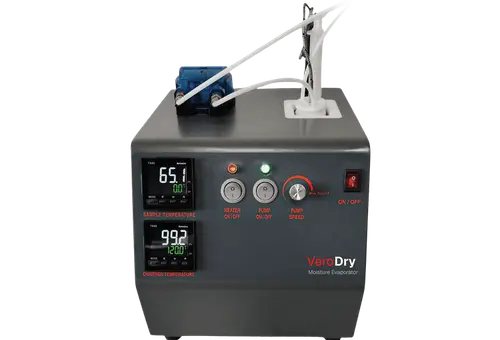 VeroDry
Oil Moisture Analyzer
Improve Fuel Analysis Accuracy and Laboratory Productivity
Fuel quality assessment covers a range of interdependent properties.
- Viscosity governs atomization behavior and low-temperature flow.
- Oxidation stability predicts storage degradation and deposit formation risk.
- Calorific value defines energy output per unit mass.
- Moisture content influences combustion quality and accelerates corrosion in fuel system components.
- Ash content and residual carbon data indicate contamination levels and reveal the long-term effects a fuel will impose on injectors, combustion chambers, and exhaust hardware.
Measuring these properties reliably requires stable thermal conditions, structured test sequencing, and results consistent enough to compare meaningfully across batches, shifts, and operators. Vero Scientific fuel testing systems are engineered around these demands through automated temperature management, repeatable procedural control, and integrated data handling to produce results that hold up under technical scrutiny.
Frequently Asked Questions
Which fuel properties can your testing equipment evaluate?
Vero Scientific instruments cover the primary measurement parameters in fuel quality assessment: kinematic viscosity, oxidation stability, gross calorific value, moisture content, copper corrosion characteristics, ash content, and residual carbon.
Which industries use your fuel quality testing equipment?
Our systems are used in petroleum refineries, fuel blending and distribution operations, lubricant manufacturing plants, and independent contract laboratories. Industrial quality control departments and research institutions performing petroleum characterization work also rely on our instruments.
How does your equipment improve fuel testing consistency?
Testing consistency depends on controlling the conditions under which measurements are made: thermal stability, procedural sequencing, and calibration state that determine how closely repeated results agree. Vero Scientific instruments automate these controls.
Can your systems support standardized fuel testing methods?
Yes. Each instrument in the Vero Scientific range is developed around the ASTM, ISO, and IP methods applied in fuel quality laboratories. Standards compliance is embedded in instrument design and test workflow architecture.
How does automated testing benefit petroleum laboratories?
Automation eliminates the procedural steps most likely to introduce error: manual temperature adjustment, flow-time judgement, solvent handling, and result transcription. Removing these touchpoints tightens result reproducibility, raises daily sample capacity, and reduces retests caused by procedural inconsistency rather than genuine sample variability.
Can your laboratory systems manage historical fuel testing data?
Yes. VeroSoft supports result storage, method management, and laboratory data organization to help facilities maintain traceable and consistent fuel testing records.
Get actionable insights and advanced solutions tailored to your industry's needs and technical challenges.
*Submit your email to receive the latest updates and insights from Vero Scientific.